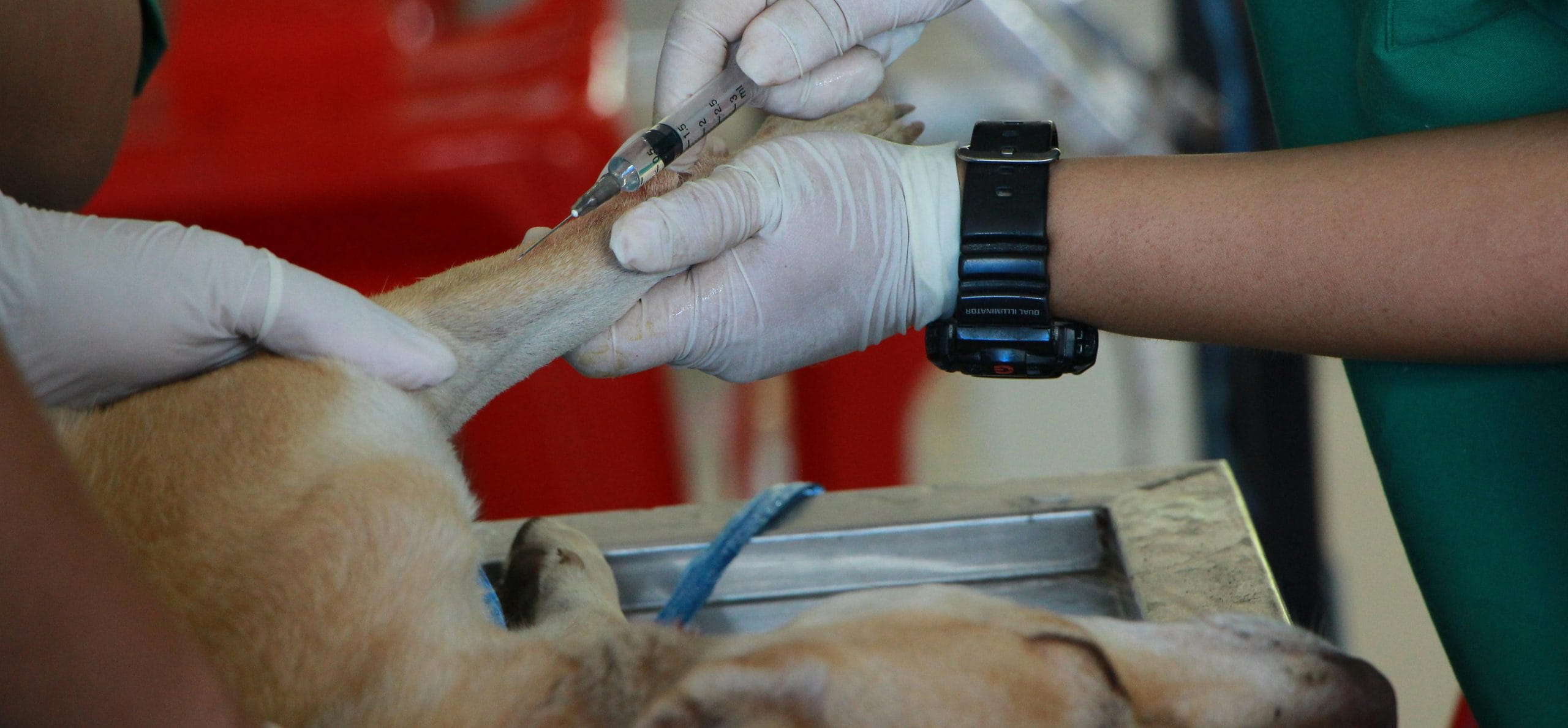
I am a veterinarian
Veterinarians of Crete—The Stray Animal Crisis Needs You
Crete is facing a growing crisis: stray dogs and cats are multiplying, shelters are overwhelmed, and animal welfare groups are stretched to the limit. Municipalities are pouring public funds into managing the issue—money that could be better spent on schools, healthcare, and other vital services.
As a veterinary professional, you are on the frontlines of this challenge. Your voice carries immense weight. The trust pet owners place in you gives you a unique opportunity to influence behavior, shift mindsets, and lead the change toward responsible pet ownership.
- Microchip & Register—It’s the Law and a Lifeline
- Microchipping is not just a legal requirement—it’s a lifeline that brings lost pets home and reduces abandonment.
- Each pet you help register in the National Pet Registry (EMZS) is a step toward accountability, traceability, and a future with fewer strays on the street.
- Neuter or DNA—Break the Cycle
- Neutering is key to stopping the cycle of uncontrolled breeding. One unneutered dog can lead to thousands of puppies within a few years. Many will suffer neglect or abandonment.
- When neutering isn’t possible, DNA sampling provides a powerful, science-backed alternative. It enables authorities to trace abandoned animals, especially puppies and kittens, enforce the law, and ultimately change behavior. The technology has been developed by geneticists and fellow veterinary scientists at the Academy of Athens.
DNA collection is simple, safe, and reliable.
- Clinics can charge up to 50€ per sample, excluding shipping fees.
- With a centralized lab now streamlining processing, it’s fast and efficient.
- DNA analysis is highly accurate, using internationally accepted standards.
- It checks 381 SNP markers in dogs and 111 in cats, with a margin of error as low as 1 in 1 quadrillion.
- DNA identification works much like a fingerprint in humans — it is unique to each animal and allows for precise matching of offspring to their biological parents. That’s why it is one of the most reliable tools for preventing illegal breeding and abandonment if the owner chooses not to neuter.
There is already a real case in Megara, Greece, where abandoned puppies were matched via DNA to a microchipped female dog, leading to the identification and prosecution of the owner.
The Laboratory for the Preservation and Analysis of Companion Animal Genetic Material is fully operational as of January 2024 and is the official body responsible for securely storing and managing all submitted DNA samples. There is a structured system in place to ensure proper handling, traceability, and compliance with the law.
This Is a Win-Win:
- Fewer strays
- Stronger enforcement
- More work and revenue for your practice
- More “well-visits” of healthy dogs and cats for their annual vaccination and check up
- Clear, traceable data to support lasting change
How You Can Make a Difference
We’re calling on veterinarians across Crete to step up and lead the change with us. Zero Stray Pawject is working alongside municipalities, law enforcement, animal welfare and communities to tackle the stray issue at its roots—through prevention, education, and accountability.
Here’s how you can help:
- Educate pet owners during consultations about microchipping, neutering, or alternatively providing a DNA sample
- Display and distribute awareness materials in your clinic
- Access training, resources, and campaign tools through our team
We know some areas—especially in southern Crete—lack adequate veterinary coverage. That’s why your participation is more critical than ever.
Let’s stop mopping the floor and close the tap.
Let’s work toward a future where every pet is accounted for, every owner is responsible, and no animal is left behind.
Be Part of the Solution.
Need resources, materials, or have questions?
We’re here to support you: info@zerostraypawject.org
Together, we can end the stray crisis—Be part of the Solution.
Free Resources and Downloads


